
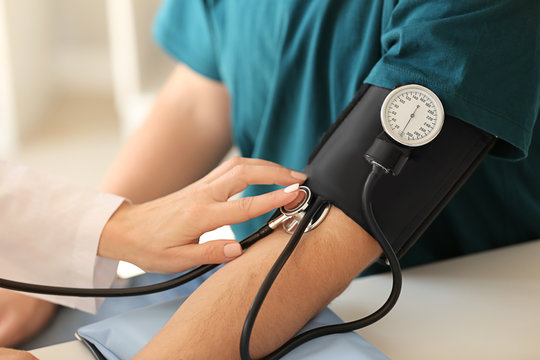
High blood pressure has long been regarded as a condition affecting older adults. Today, however, healthcare professionals across Asia are observing a worrying shift—an increasing number of people in their 20s, 30s, and early 40s are being diagnosed with hypertension.
Often referred to as the “silent killer,” high blood pressure rarely causes noticeable symptoms during its early stages. Many individuals continue their daily lives unaware that excessive pressure is gradually damaging their heart, brain, kidneys, and blood vessels.
A Changing Lifestyle
The rise in hypertension among younger adults reflects significant changes in modern living.
Long working hours, high levels of stress, insufficient sleep, physical inactivity, and diets high in sodium, sugar, and ultra-processed foods have become increasingly common across many Asian cities. Extended periods of sitting, whether in offices or while working remotely, have also contributed to reduced physical activity.
At the same time, obesity and metabolic disorders are becoming more prevalent among younger populations, increasing the likelihood of developing elevated blood pressure much earlier in life.
Why Early Detection Matters
One of the greatest challenges with hypertension is that it often develops without warning signs.
Many patients discover the condition only after experiencing complications such as a heart attack, stroke, kidney disease, or vision problems. These complications are frequently preventable through early diagnosis and appropriate treatment.
Healthcare professionals recommend regular blood pressure checks even for individuals who feel completely healthy. Screening is especially important for those with a family history of hypertension, diabetes, obesity, or cardiovascular disease.
Small Changes Can Make a Big Difference
Managing blood pressure does not always require medication during the early stages. For many patients, lifestyle modifications remain the foundation of treatment.
Medical experts commonly recommend:
- Reducing sodium intake by limiting processed and packaged foods
- Consuming more fruits, vegetables, whole grains, and lean proteins
- Engaging in at least 150 minutes of moderate physical activity each week
- Maintaining a healthy body weight
- Limiting alcohol consumption and avoiding tobacco products
- Prioritising adequate sleep and effective stress management
For individuals with persistently elevated blood pressure or additional cardiovascular risk factors, medication may also be necessary as determined by their healthcare provider.
Prevention Starts Earlier Than Most People Think
Hypertension is no longer a disease associated only with ageing.
Developing healthy habits during early adulthood can significantly reduce the risk of heart disease, stroke, and kidney complications later in life. Regular exercise, balanced nutrition, and routine health screenings remain among the most effective preventive measures available.
Looking Ahead
As Asia continues to urbanise and lifestyles become increasingly sedentary, hypertension is expected to remain one of the region’s leading public health challenges.
The encouraging news is that it is also one of the most preventable chronic conditions. By recognising the risks early and making informed lifestyle choices, individuals can protect their cardiovascular health long before symptoms appear.
The best time to check your blood pressure is not after a health scare—it is before one ever occurs.