
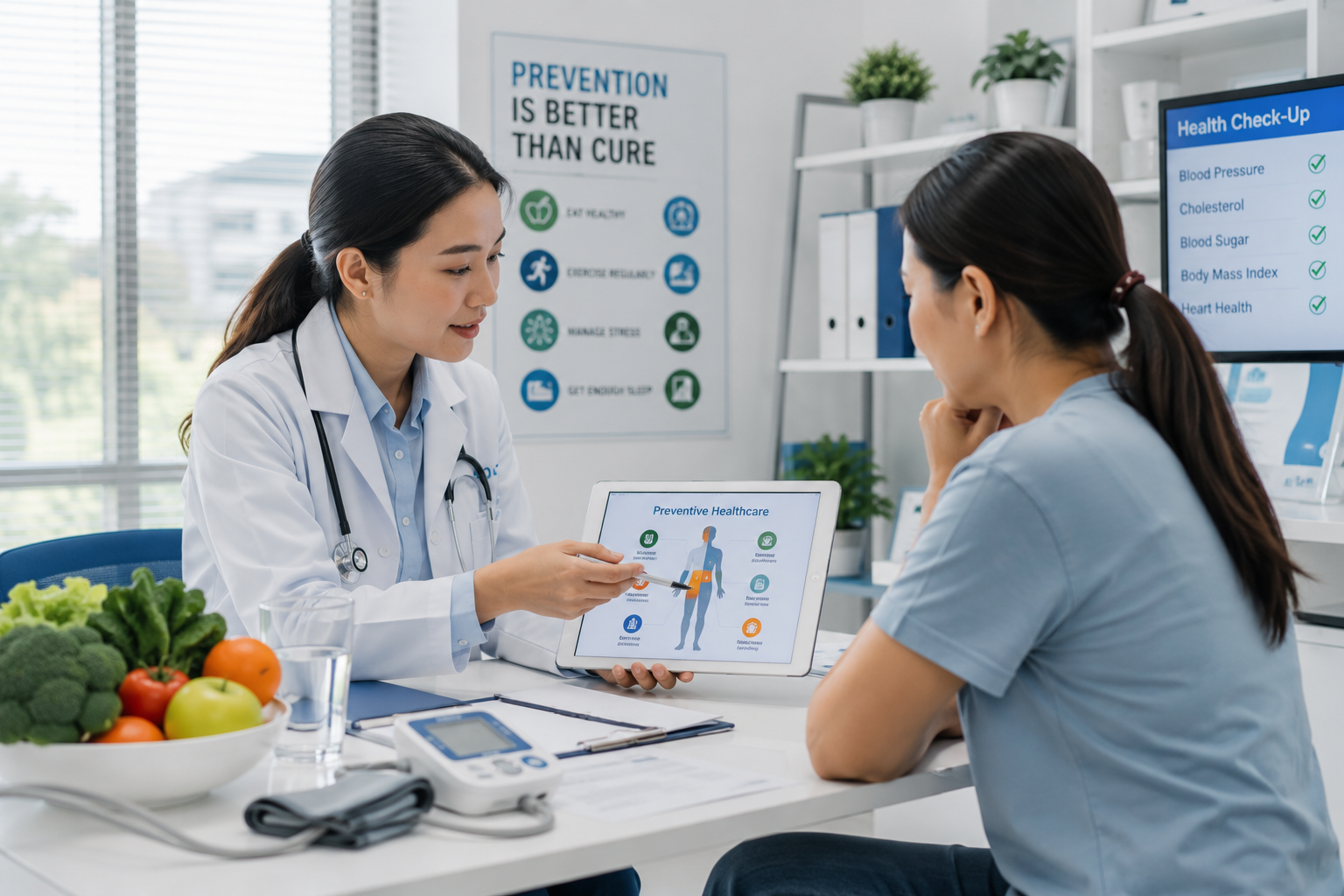
For decades, healthcare systems around the world have focused primarily on treating illnesses after they occur. Today, however, the industry is undergoing a significant transformation—one that emphasizes prevention, early detection, and proactive health management.
As healthcare costs continue to rise and chronic diseases become increasingly common, preventive healthcare is emerging as one of the most important strategies for improving long-term health outcomes and building more sustainable healthcare systems.
A New Approach to Healthcare
Traditional healthcare often focuses on diagnosing and treating diseases once symptoms appear. Preventive healthcare takes a different approach by identifying potential health risks early and encouraging individuals to take action before serious medical conditions develop.
This shift is helping healthcare providers move from reactive care to proactive care, ultimately improving quality of life while reducing the burden on healthcare systems.
The Importance of Early Detection
Many serious health conditions develop silently over time, often showing few symptoms during their early stages.
Regular health screenings and preventive assessments can help detect:
- Heart disease
- Diabetes
- High blood pressure
- Cancer
- Chronic kidney disease
When detected early, many of these conditions can be managed more effectively, leading to better outcomes and lower treatment costs.
Early detection remains one of the most powerful tools in modern healthcare.
Empowering Individuals to Take Control of Their Health
Preventive healthcare is not only the responsibility of healthcare providers—it also empowers individuals to become active participants in their own well-being.
Healthy lifestyle choices such as:
- Regular exercise
- Balanced nutrition
- Quality sleep
- Stress management
- Routine health check-ups
can significantly reduce the risk of developing chronic illnesses later in life.
As public awareness continues to grow, more people are embracing preventive care as an investment in their future health.
Technology Is Accelerating Prevention
Digital health technologies are making preventive healthcare more accessible than ever before.
Wearable devices, health monitoring applications, and AI-powered healthcare solutions allow individuals to track important health indicators in real time.
These technologies can help monitor:
- Heart rate
- Blood pressure
- Physical activity
- Sleep quality
- Blood glucose levels
By providing continuous insights into personal health, technology enables earlier intervention and more informed healthcare decisions.
A Growing Priority for Healthcare Systems
Governments, hospitals, insurers, and healthcare providers are increasingly recognizing the value of prevention.
Preventive healthcare offers several long-term benefits:
- Reduced healthcare costs
- Lower hospital admission rates
- Improved population health
- Increased life expectancy
- Better patient outcomes
As populations age and healthcare demands continue to increase, prevention will play an increasingly important role in maintaining sustainable healthcare systems.
Looking Ahead
The future of healthcare is not simply about treating illness—it is about helping people stay healthy for longer.
Healthcare organizations that invest in prevention-focused strategies, health education, and early intervention programs will be better positioned to meet the evolving needs of modern society.
The shift toward preventive healthcare represents a fundamental change in how healthcare is delivered, measured, and valued.
Conclusion
Preventive healthcare is redefining the future of medicine.
By focusing on early detection, healthier lifestyles, and proactive care, healthcare providers can improve patient outcomes while reducing the long-term burden of disease.
As healthcare continues to evolve, prevention will become one of the most valuable investments individuals, healthcare organizations, and societies can make.
Because the best treatment is often preventing illness before it begins.