When people think about healthy ageing, they often focus on heart disease, diabetes, or cognitive decline. Yet one of the fastest-growing health concerns among Asia’s ageing population receives far less attention—progressive muscle loss.
Known medically as sarcopenia, age-related muscle loss is no longer viewed as an inevitable consequence of ageing. Instead, healthcare professionals increasingly recognise it as a preventable and manageable condition that significantly affects quality of life, independence, and healthcare costs. Recent guidance from the Asian Working Group for Sarcopenia (AWGS) also places greater emphasis on promoting muscle health throughout adulthood rather than only treating advanced muscle loss in older adults.
Why Muscle Health Matters
Skeletal muscle performs far more functions than enabling movement.
Healthy muscle helps regulate blood glucose, supports metabolism, protects bone health, maintains balance, and contributes to immune function. As muscle mass and strength decline, individuals become more vulnerable to falls, fractures, prolonged hospitalisation, disability, and loss of independence.
For healthcare systems across Asia, this represents an emerging public health challenge. Many countries are experiencing rapidly ageing populations, increasing the burden of chronic diseases that often coexist with declining muscle health.
More Than Ageing Alone
Although ageing is the primary risk factor, muscle loss is influenced by multiple lifestyle and medical factors, including:
- Physical inactivity
- Poor protein intake
- Chronic illnesses
- Smoking
- High stress levels
- Prolonged bed rest after illness or surgery
Recent epidemiological studies in Asia have shown that low physical activity and smoking remain important modifiable contributors to muscle impairment, reinforcing that lifestyle interventions remain essential throughout adulthood.
Detection Should Begin Earlier
Traditionally, sarcopenia has been associated with adults over the age of 65.
However, growing evidence suggests that muscle decline often begins much earlier, particularly after the age of 50. Recognising this trend, the latest Asia-focused recommendations encourage earlier identification of individuals at risk so that intervention can begin before significant disability develops.
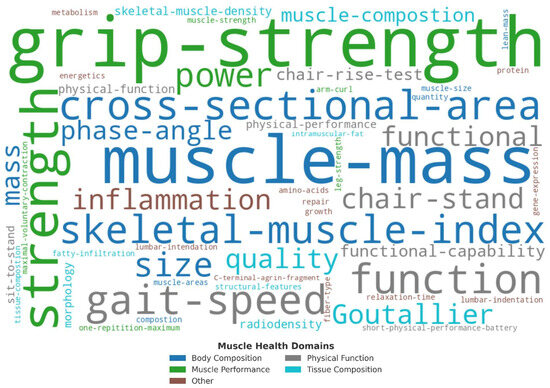
Simple assessments such as grip strength, walking speed, and body composition measurements can provide valuable clinical information and help identify patients who may benefit from further evaluation.
Prevention Is a Lifelong Strategy
Unlike many age-related conditions, muscle health responds remarkably well to intervention.
Healthcare professionals generally recommend a combination of progressive resistance exercise, adequate dietary protein, regular physical activity, and management of chronic medical conditions. Together, these strategies help preserve strength, mobility, and functional independence.
Importantly, maintaining muscle health should not be viewed solely as a fitness objective. It is increasingly recognised as a critical component of healthy ageing and preventive medicine.
Looking Ahead
Asia is entering an era where longevity must be matched by quality of life.
As life expectancy continues to rise, preserving muscle health will become just as important as managing blood pressure, cholesterol, and blood glucose.
For clinicians, policymakers, and individuals alike, the message is becoming increasingly clear: healthy ageing is not simply about adding years to life—it is about maintaining the strength to live those years well.